
CELTIBERO CASTRO OF PEÑA MOÑÚZ
Peña Moñuz was founded in the middle of the 4th century BC, and lasted until the beginning of the 2nd century BC
Peña Moñúz
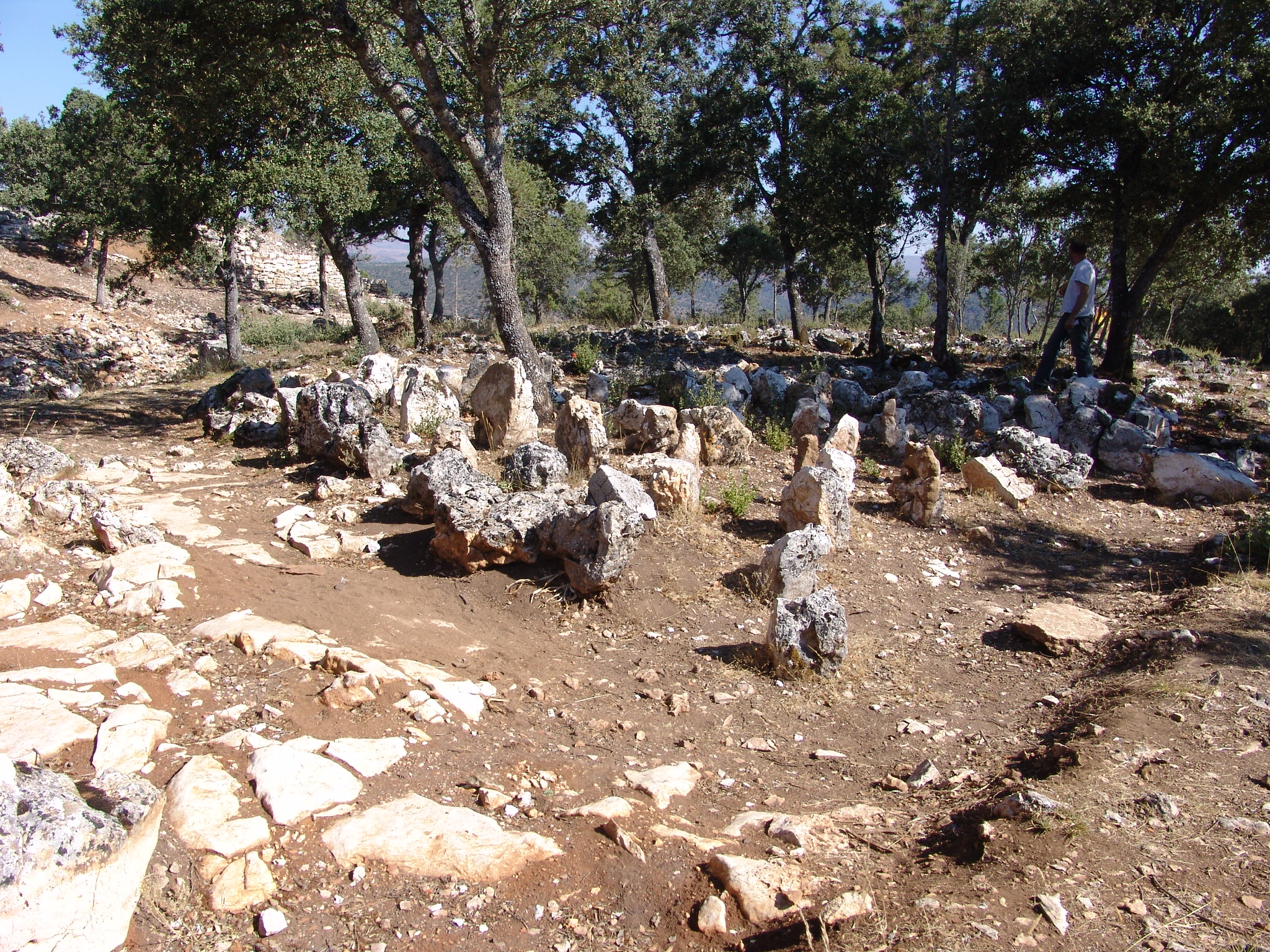
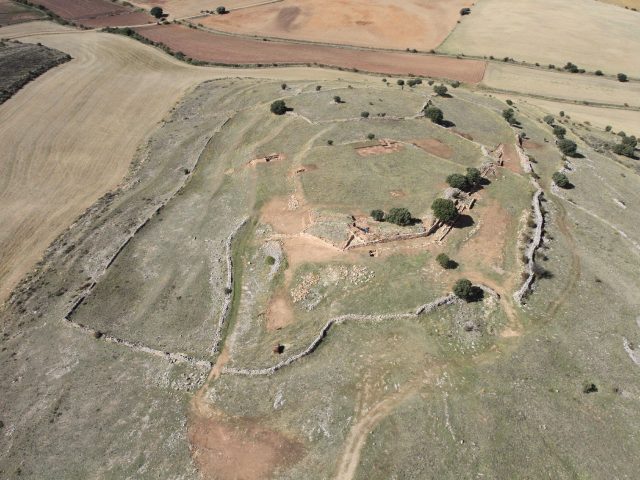
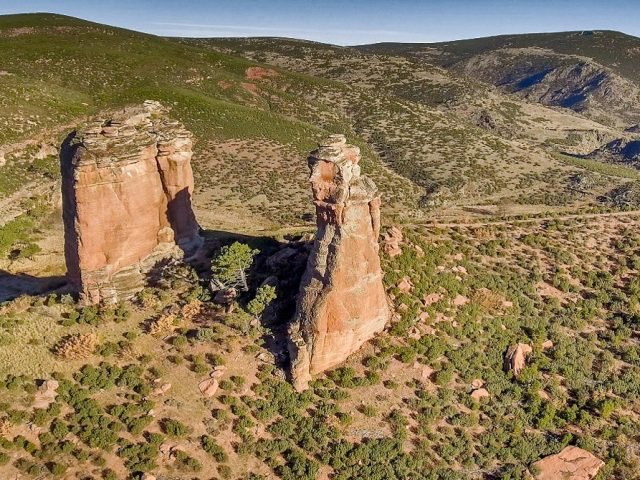
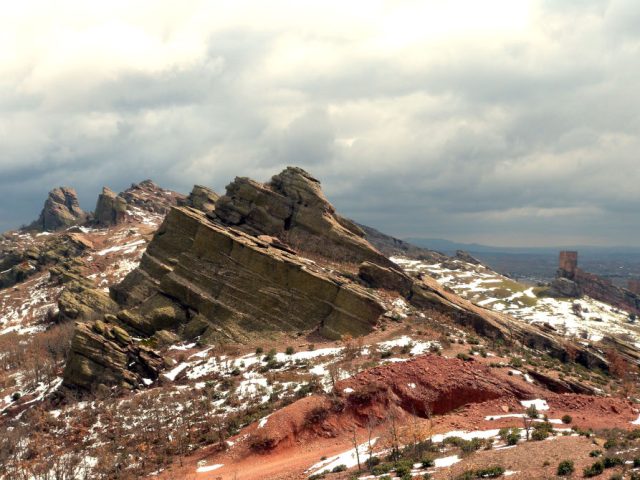
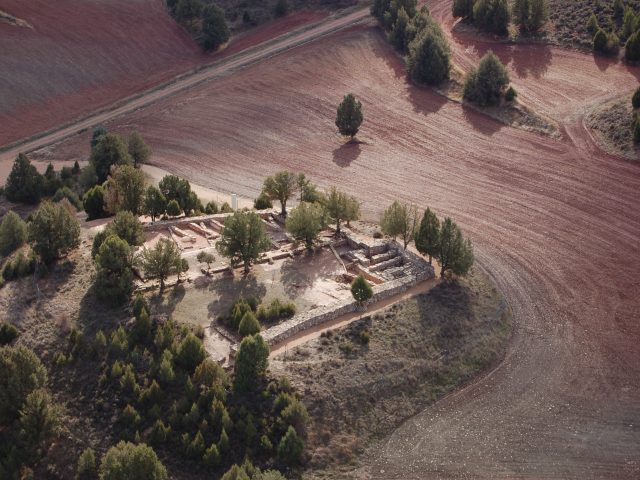
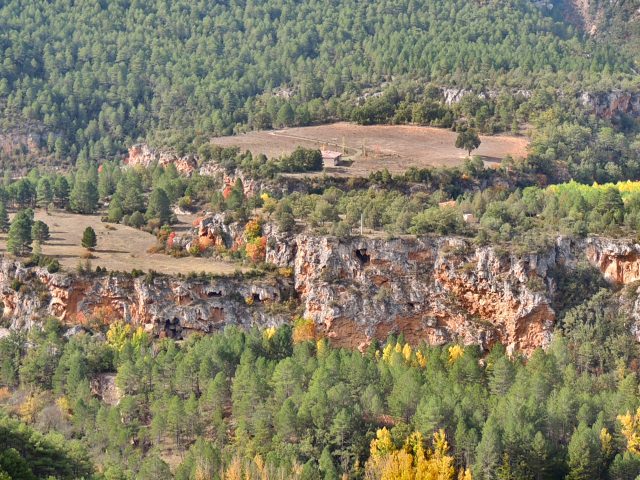
The pre-Roman fortress of Peña Moñuz (Olmeda de Cobeta) sits on an impressive limestone spur that provides it with unbeatable defensive conditions and indisputable visual control of the environment.
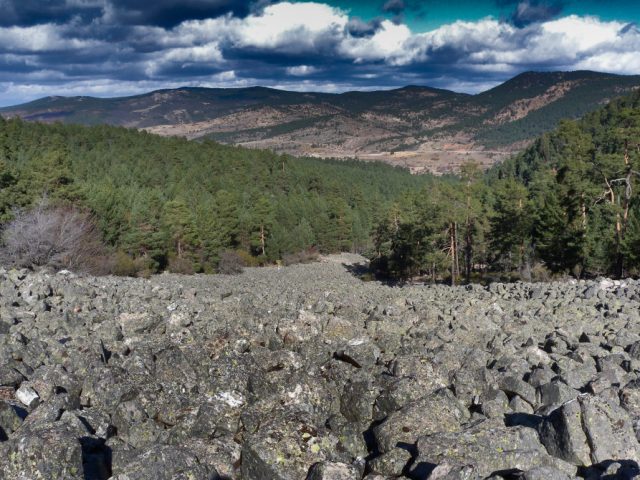
Its complex defensive system stands out, composed of three elements: a frieze of large driven stones installed to prevent access to the enclosure by both infantry and war machinery; a moat dug into the rock, which also served as a quarry, and finally an impressive masonry wall more than three meters thick and 4 meters high, reinforced with three rectangular towers, which had two monumental-looking doors. The investment in defensive systems and the shortage of living space (3070 m2) suggests that the geostrategic control function was key.
Peña Moñuz was founded in the middle of the 4th century BC, and lasted until the beginning of the 2nd century BC. It has two phases: the first lasted until in the 3rd century BC a violent fire completely destroyed the settlement, subsequently rebuilding the houses, some interior canvases. of the wall and the access system was changed, replacing the original door with a new one at the opposite end of the wall.
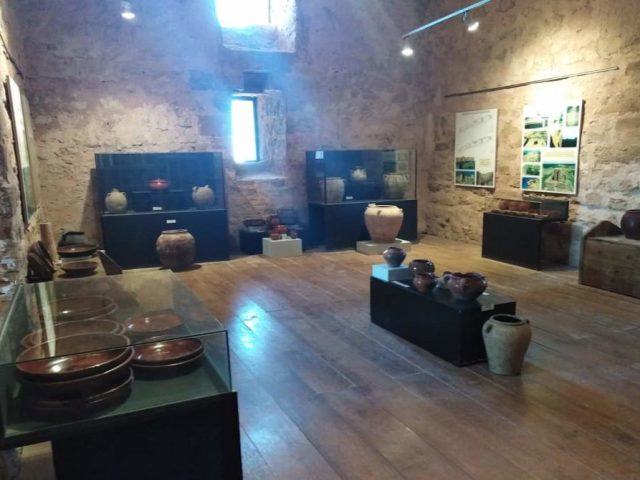
The constructions of the first phase refer to the usual model in Iron Age towns: rectangular buildings, with adobe walls built on a stone plinth, and a roof of plant material. The second phase offers a good state of conservation, highlighting a structure of more than 70 m2 that has allowed documenting inside mills for the treatment of cereal and acorns, dome ovens used in baking bread or similar products and a large complex of ceramic containers.
The relationship between its defensive architecture and prototypes developed in the Levantine area is interesting. Its so-called Gate 1 is similar to the access systems present in enclaves such as La Bastida de les Alcuses in Moixent or La Serreta in Alcoy. This could be an indicator of contacts established between this territory and the Iberian world. The investigation tries to clarify whether these contacts were strictly economic or covered other areas such as politics and geostrategy.

 English (UK)
  Español