
Our Gastronomy
The traditional gastronomy of the Molina-Alto Tajo region is closely linked to the existing resources in the area.
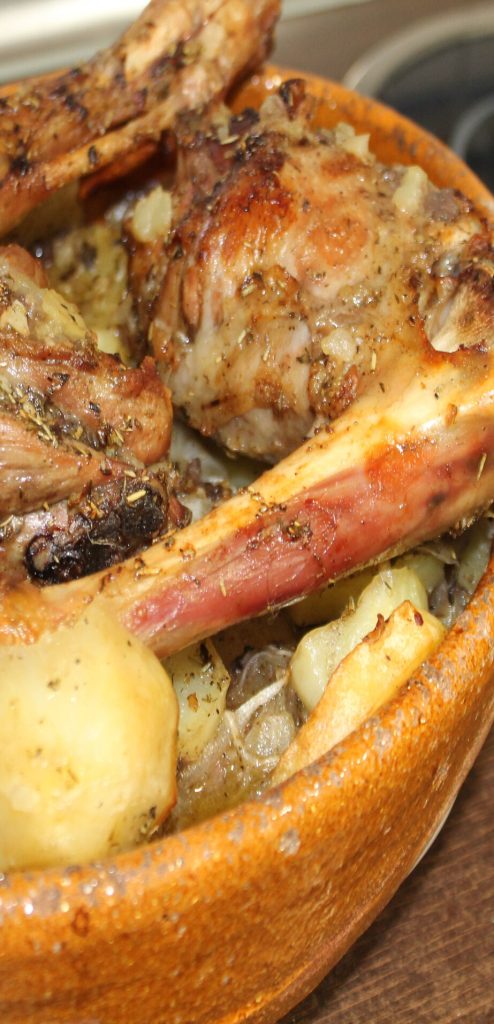
He goat or lamb They are very present on the tables of this region due, precisely, to the strong livestock tradition that has existed over the centuries. Roast lamb or goat in the oven or lamb trotters with tomato sauce are some of the dishes most appreciated by the palates of the inhabitants of the area.
Hunting also leaves its mark on the gastronomy of the area and partridges or quails or pickles and stews made with deer, wild boar or roe deer meat are famous in these moors. In addition, its mountains and forests enjoy an important mycological variety during most of the year.
Truffled dishes, especially goat stew, are common in the winters of the Alto Tajo where the prized black truffle grows, but the oyster mushrooms, chanterelles, morels or boletus.
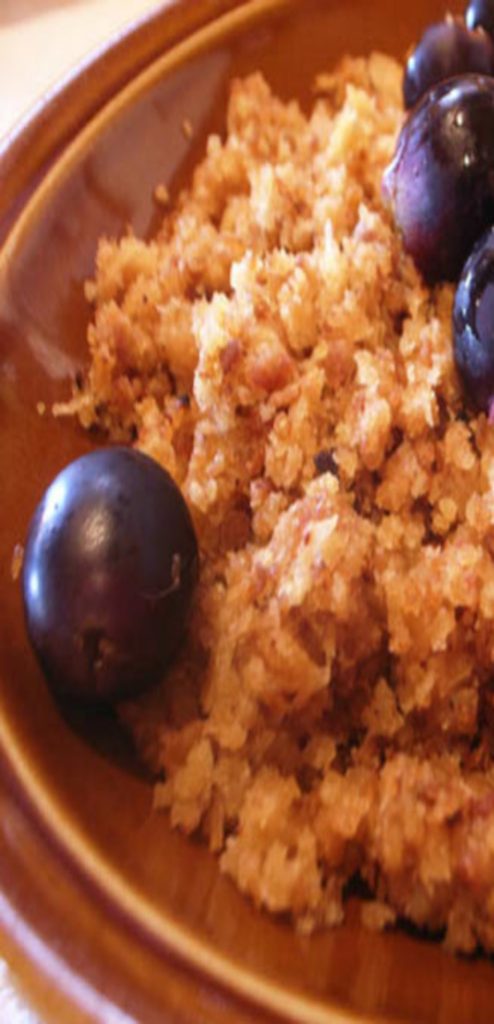
From times of scarcity, this region has inherited some ingenious recipes that are delicious, such as shepherd's migas, garlic soups, porridge or galianos, typical of transhumance, which used cereal as the main ingredient. Also typical are the “nose bowling”, made with a traditional variety of bean, small, yellow and with a rounded shape, known as “bolo de Torete”.
Likewise, the slaughter It was a fundamental practice for the survival of families, from which all types of pieces of the pig were extracted to be prepared, rationed and tasted throughout the year. The most valued slaughter product in this region is, without a doubt, rice blood sausage.
It is also very typical morteruelo, a type of pâté made with pork liver and other meats. To close the menu with a golden touch, this region has delicious desserts such as “cow leg”, a sweet pastry cream filling, similar to gypsy arm or fried milk.
Of great quality are the local honeys and enjoys great popularity chocolate, which is made in an artisanal way. In fact, the chronicles say that a friar born in Villel de Mesa, Brother Antonio Álvaro, was the one who introduced the hot chocolate formula to Spain. The chocolate-making tradition in Molina dates back to the 18th century, and in this town he saw four chocolate makers at the same time.
Try typical products in our restaurants

Corrinche Restaurant opened its doors in 2012 in Alcoroches. We are characterized by being a welcoming space with careful attention from our team. The dishes in our kitchen are created with local, seasonal products and the best raw materials. As is the case with our…
View more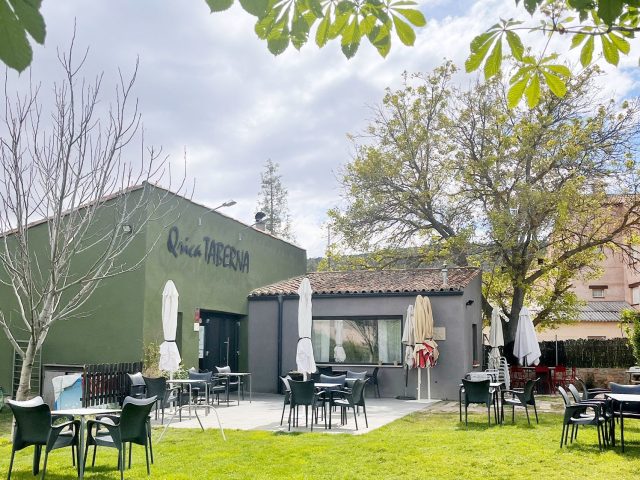
Tavern in Corduente (Guadalajara), at the entrance to the Alto Tajo, located in an unbeatable environment, 4 km from the Barranco de la Virgen de la Hoz. Homemade, traditional and local food. Local product. Terrace with garden and interior fireplace. Rural Gastronomic Pin (2022), Solete Repsol (2023), Award…
View more English (UK)
  Español