
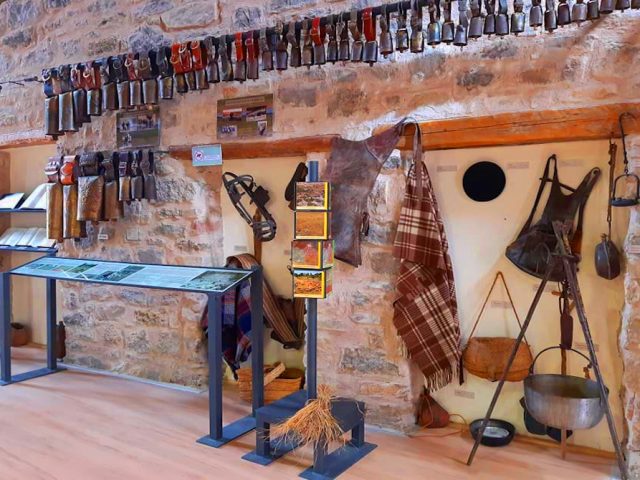
He focuses his expository and interpretive discourse on the traditional livestock exploitation that has been carried out in the Alto Tajo since ancient times. Livestock farming has been a predominant activity in this region and, together with logging, has shaped the landscape that can be admired today...
View more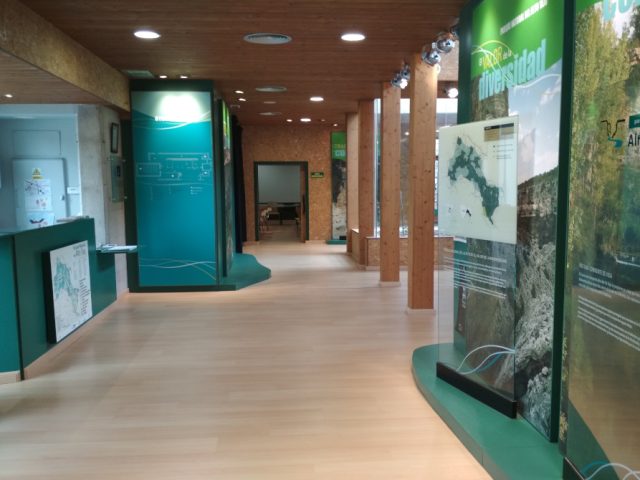
It addresses three areas: “Life in the canyons”, where the flora and fauna of the Natural Park is described, linked to the Alto Tajo canyon; “The Man and the River”, with a comprehensive tour of the Tagus River from its source to its mouth in Lisbon, describing its natural wealth…
View more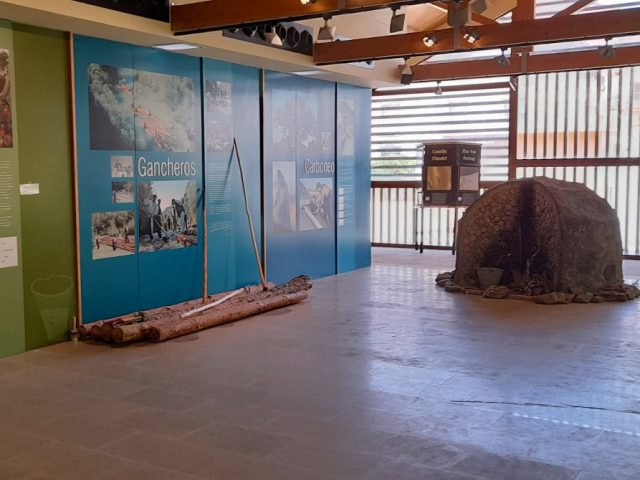
This Interpretation Center was built by renovating the building of the old Orea dry farm. A forest house, which had an oven to dry the pine cones and extract the pine nuts that were later used in the forest nurseries for the production of a plant intended for the reforestation of the…
View more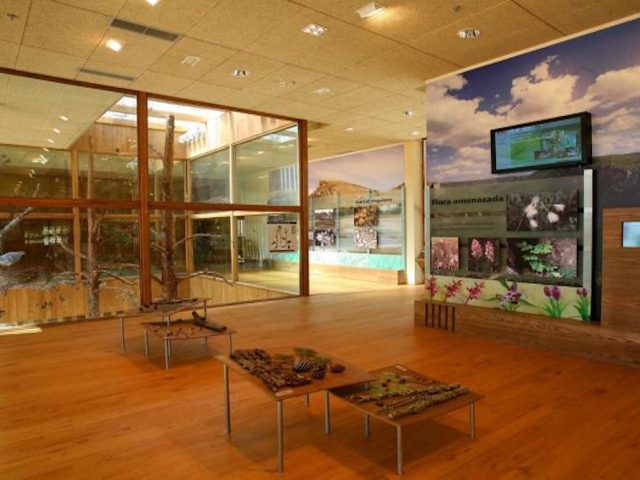
It is the reference center of the Alto Tajo Natural Park, managed by the Community Board of Castilla la Mancha. Interpretation and dissemination of the characteristics and natural values of the Park, as well as the main ecological processes that develop there. Offers information to visitors about the services…
View more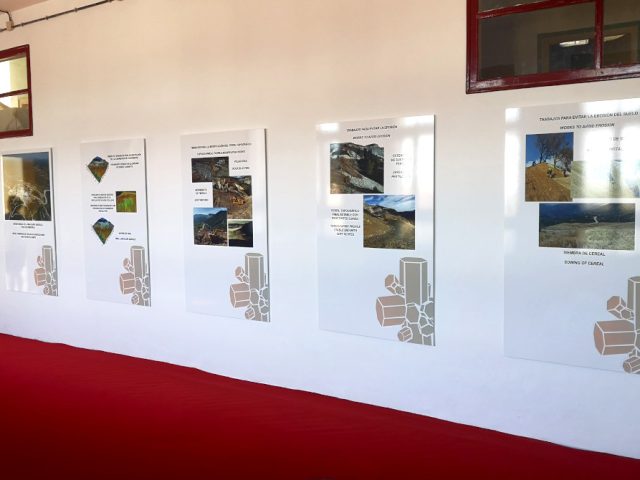
The building of the old Peñalén schools houses this museum that presents an overview of the mining of the Molina-Alto Tajo Region UNESCO World Geopark. We will find references to the most representative mining operations throughout history, from their beginnings in the Iron Age...
View more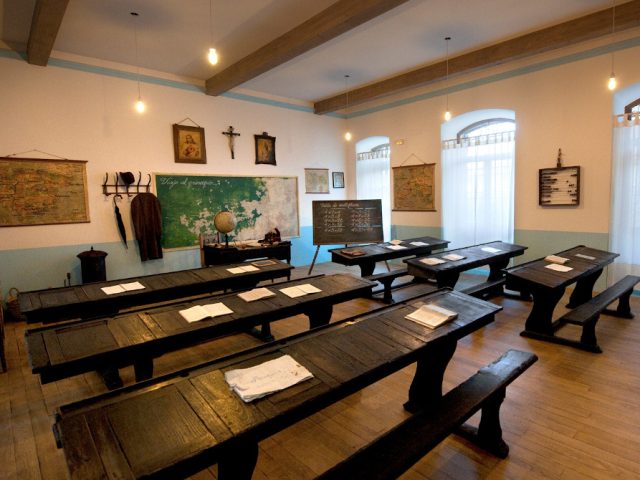
The Luzon Schools Museum proposes a trip inside one of the old classrooms of the Franco regime in which the books, notebooks and notebooks, as well as some teaching instruments, are still preserved.
View more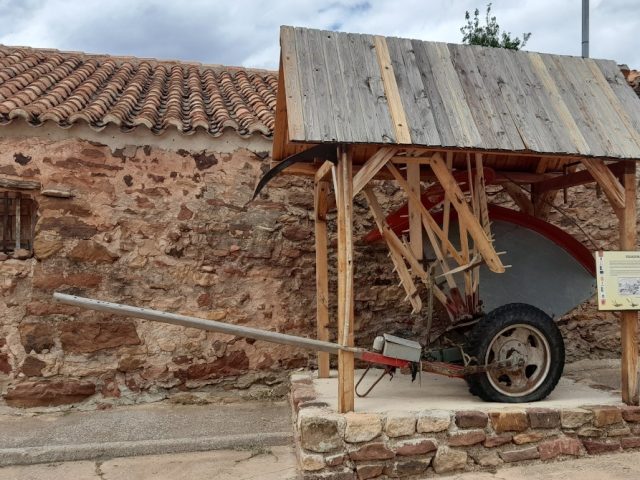
In other times they occupied the threshing floors, fields, workshops and houses of our towns and today they return to the streets of Hombrados. Nine booths and some points of interest scattered throughout the town
View more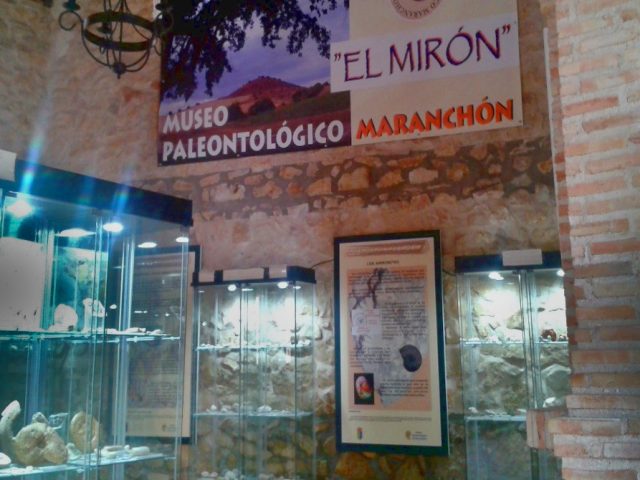
The El Mirón exhibition is made up of more than 1,300 fossils and is complemented by a generic sample of other geological periods and explanatory panels that explain, in a simple and didactic way, the evolution of life on Earth.
View more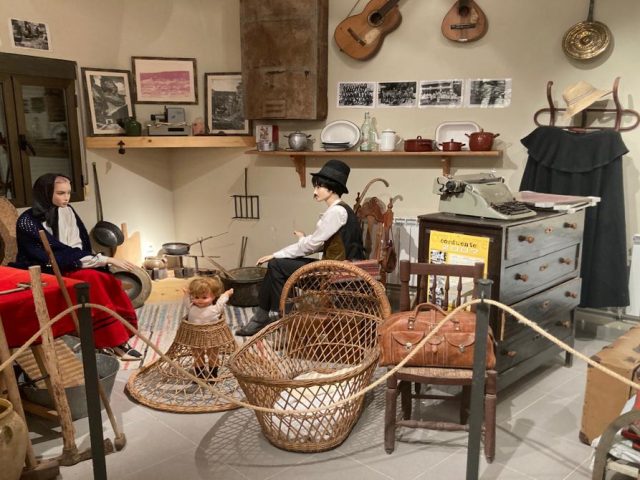
This Jorge Bande Museum is named after the Luxembourg industrialist responsible for building the Corduente ammunition factory in the mid-16th century.
View more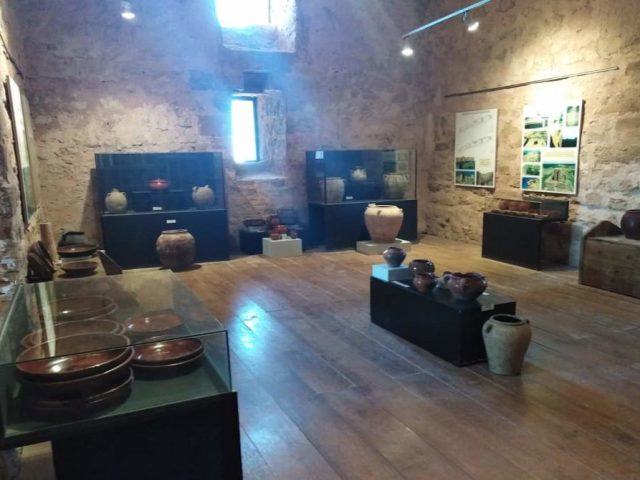
On the ground floor of this watchtower, its history and evolution over the centuries is described. On the first floor, the panels collect curiosities about the building: aerial photographs, old plans, some historical documents such as the donation in 1468 by Enrique IV of the Villa de…
View more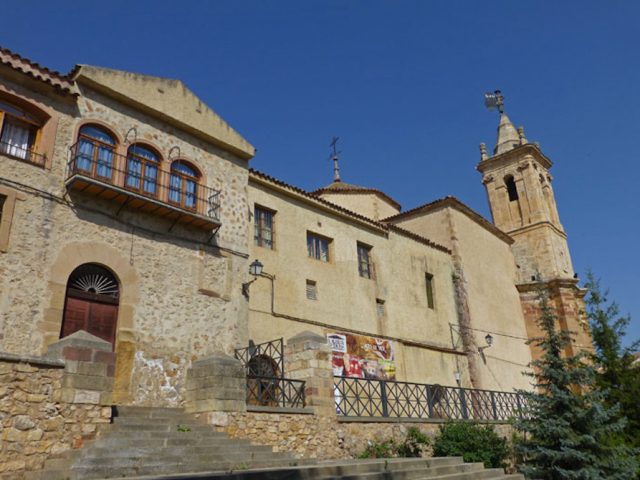
Molina de Aragón has a surprising and complete museum dedicated to the Evolution of Life, in the rooms that corresponded to the Chapter House and the Cloister of an old Franciscan convent.
View more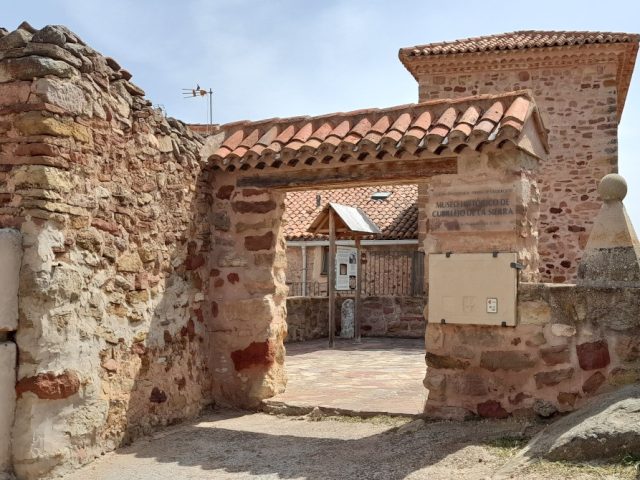
In a very educational way, the Cubillejo museum allows you to learn about the entire history of the town, as well as its monuments and main points of interest.
View more
One of the great jewels of Spanish geological heritage, discover its importance and value in this interpretation center
View more English (UK)
  Español