FEATURES Discover a surprising karst landscape and the use of some natural resources, as well as efforts to mitigate the impact of this. Length: 22 km By car: 4 hours. Access to stop 3 is via a forest track and may be difficult for non-suitable vehicles. Make sure you have a car with you.
View more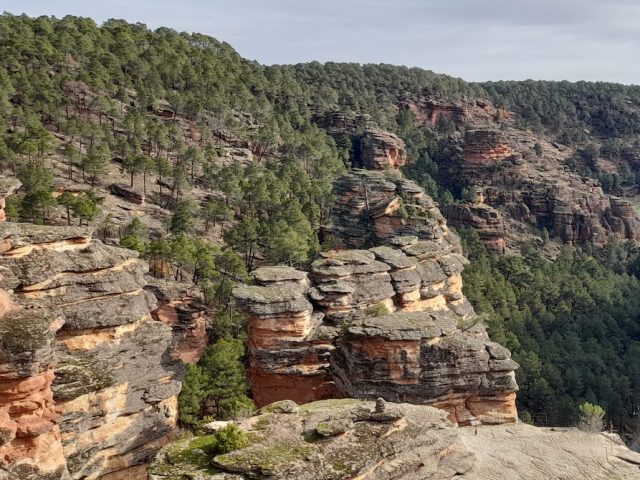
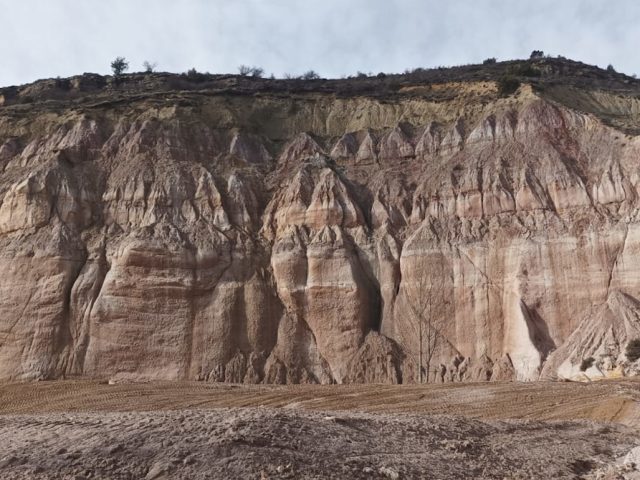
On this route, which takes in some of the most spectacular places in the Geopark, you can observe different types of rocks and discover what the environment in which they were formed was like. Specifically, you will visit rocks formed in ancient rivers, beaches and shallow seas. The reason is that, between the…
View more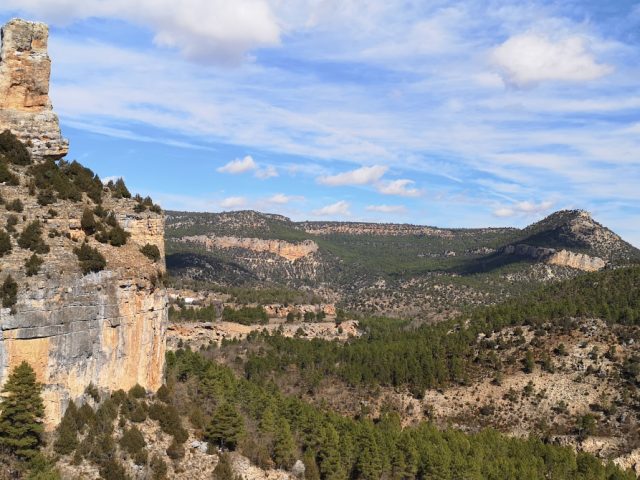
This route will allow you to better understand some very unique and representative geological elements of the Natural Park: the Tajo canyon and the tuffs of the Puente de San Pedro and La Escaleruela. In the formation process of all of them, water has played a fundamental role, since…
View more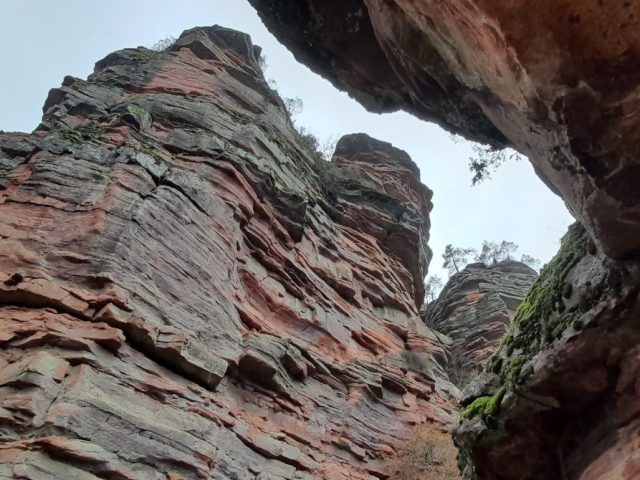
This route shows the sustainable use that the inhabitants of the area have made of the geological resources existing in the Natural Park. By extracting raw materials they obtained what was necessary for the construction of homes, manufacturing tools and obtaining energy. But they also took advantage of the particularities of…
View more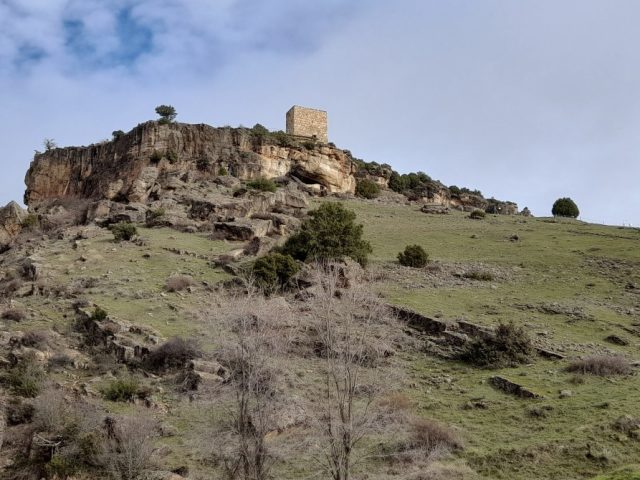
This route, which runs mainly through the Valley of Los Milagros, will show you the keys to better understand the participation of geology in the landscape of this sector of the Natural Park. The relief, the vegetation and even the uses that man has given to the territory are conditioned by…
View more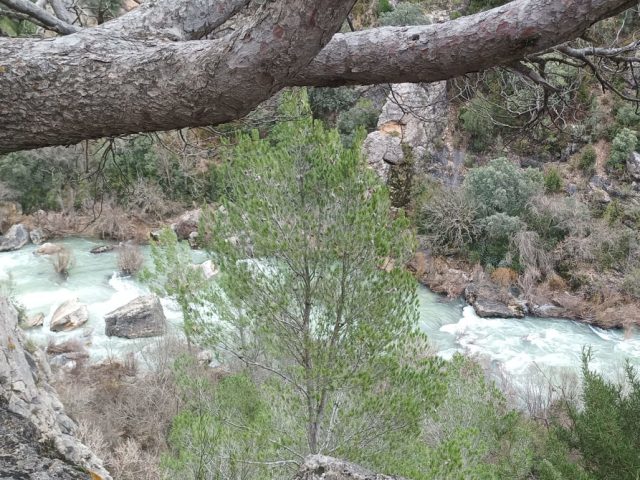
This route enters the canyon of the Tagus River, in the area of “Hundido de Armallones”, one of the most spectacular enclaves of the Natural Park. In this place the erosive power of the river is evident, which has carved a deep canyon with vertical walls in which…
View more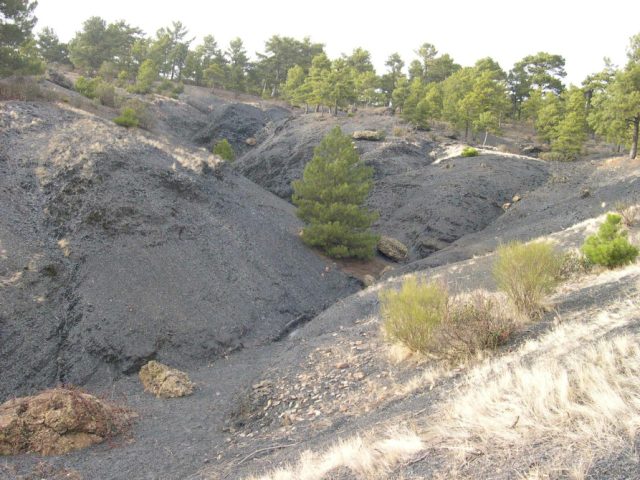
This site is one of the most important in the world in terms of graptolite fossils.
View more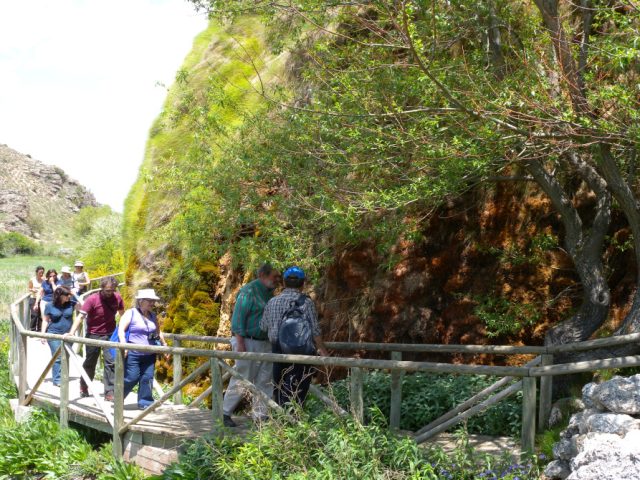
The tuffaceous building of "La Aguaspeña" is one of the many tuffaceous formations that we can observe around the Tagus River, it is one of the most recently formed rocks that we can find. In this formation we can appreciate in enormous detail the precipitation process of the…
View more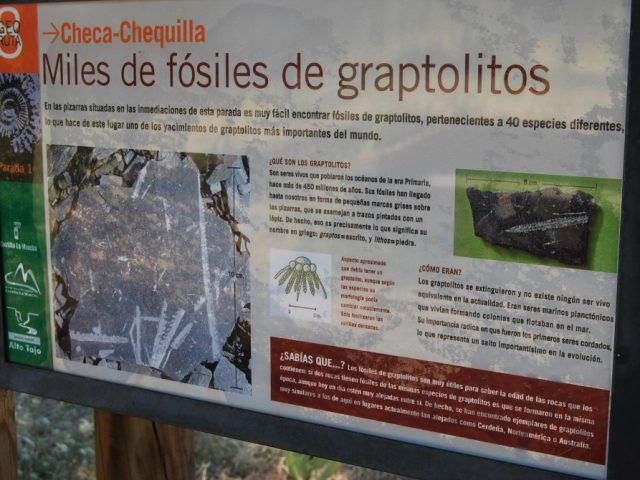
Graptolites are the fossil record of planktonic beings that were widely spread throughout the Earth's oceans, at the beginning of the Silurian period more than 400 million years ago. The "La Tejera" site is extraordinarily important because there appears a continuous succession of sediments deposited...
View more English (UK)
  Español