UNESCO World Geoparks
Geoparks are territories with defined boundaries that present a notable geological heritage, internationally recognized, which is conveniently conserved and used as an engine for local development. Since November 2015, geoparks are also covered by UNESCO included within the Earth Sciences and Geoparks program.
A Geopark must emphasize the role of geology as the base substrate on which society develops, determining its characteristics and evolution. To do this, it must investigate the links between geology, natural and cultural heritage, giving the visitor the opportunity to get to know them through an enriching experience that promotes quality tourism.
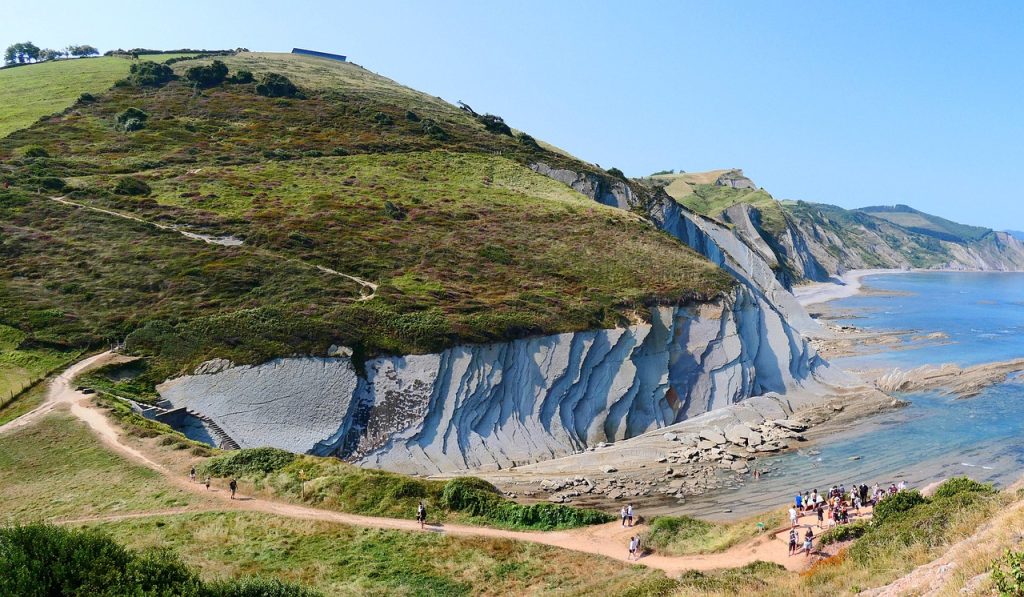
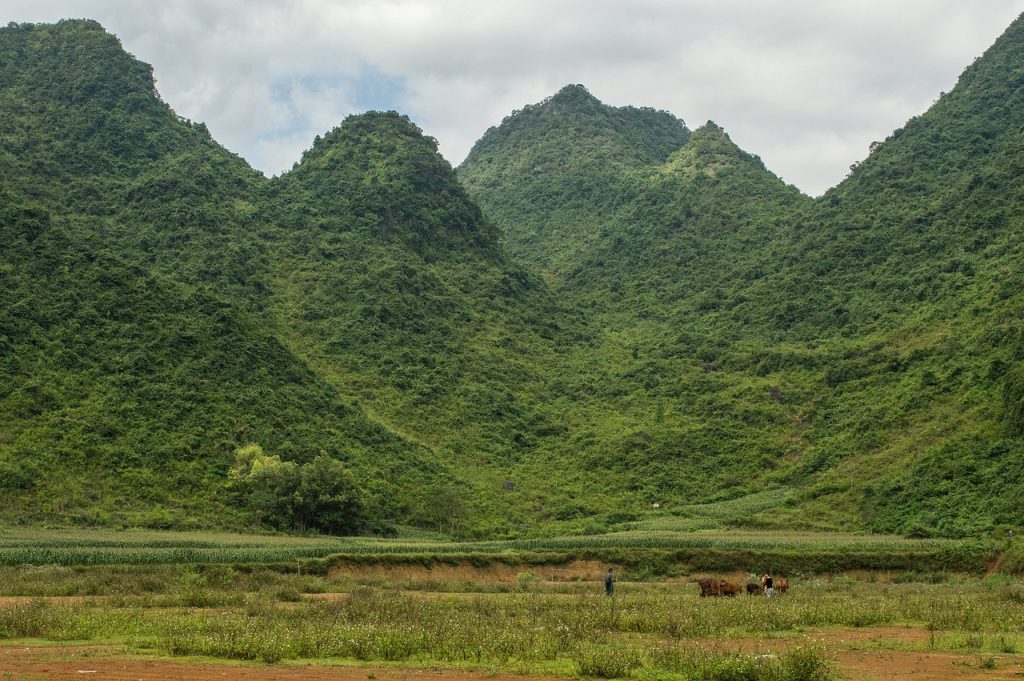
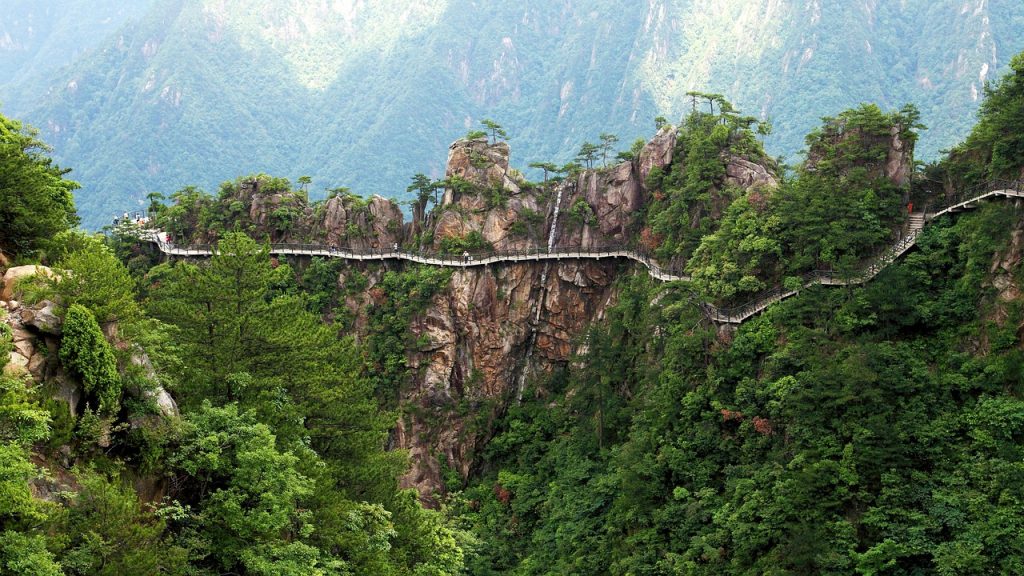
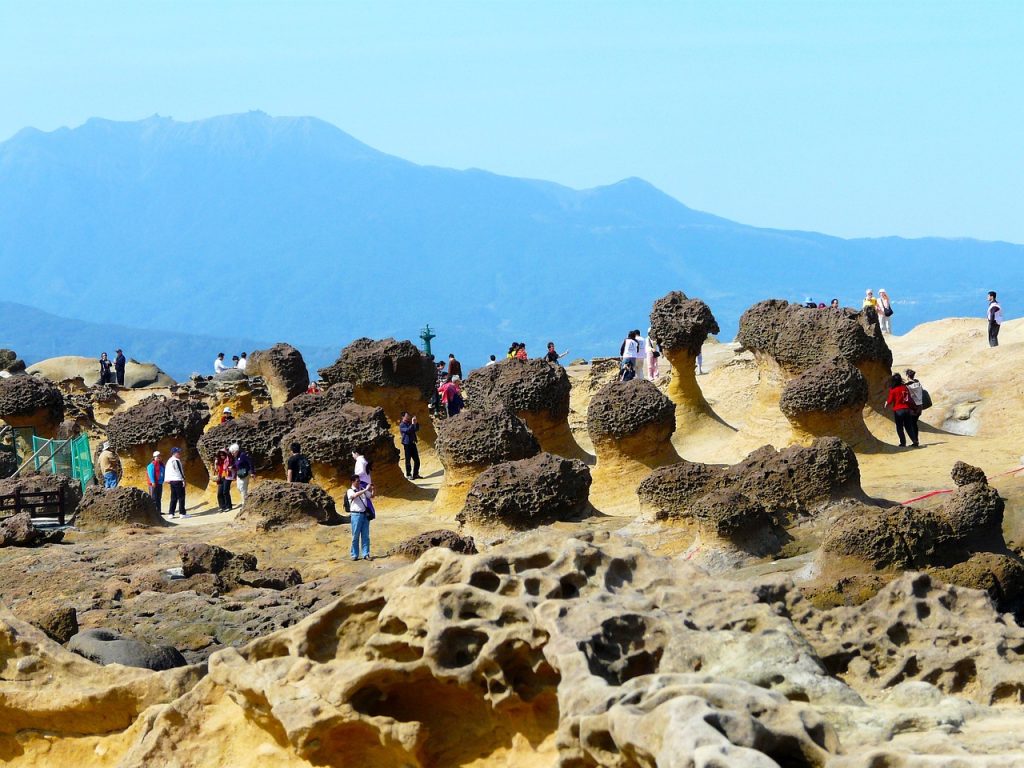
The geopark declaration implies very clear economic and development objectives based on three basic principles:
- The existence of a geological heritage that serves as the protagonist and guiding axis.
- The implementation of geoconservation and dissemination initiatives.
- And the enhancement of socioeconomic and cultural development at a local level through a sustainable development strategy based on its use, prioritizing its conservation and the involvement of the local community.
Brief history of Geoparks
In 2023, the number of sites in the UNESCO Global Geoparks Network rises to 177 in 46 countries. In Spain we already have 15, although this number is constantly changing as more and more territories seek to enhance a resource as attractive as geological heritage.
2004
Already under the sponsorship of UNESCO, it became internationally relevant with the creation of the Global Geoparks Network (GGN), which included not only the 17 European geoparks but also the 8 in China.
2000
The geoparks initiative was born in Europe in 2000 from the union of four regions: Haute-Provence in France, Vulkaneifel in Germany, the island of Lesvos in Greece and Maestrazgo in Spain. With them the European Geoparks Network (EGN) was created.
1997
In 1997, in direct response to the “Declaration of the Rights of the Memory of the Earth”, UNESCO's Division of Earth Sciences introduced the concept of a UNESCO Global Geoparks Program to support national and international efforts. in the conservation of terrestrial heritage.
1991
The concept of Geoparks was first introduced at the Digne Convention in 1991 as a means to protect and promote geological heritage and sustainable local development through a global network of territories containing geology of exceptional value.
 English (UK)
  Español